
Light: Mirrors and Lenses
Read the chapter, practise with AI-generated questions, and ask MySphere Buddy when a ray diagram doesn’t make sense. Start without an account.
What you'll learn
01
Reflection of light
Incident ray, reflected ray, normal, and the laws of reflection.
02
Plane Mirrors
Why images look laterally inverted and how far behind the mirror they appear.
03
Concave and convex mirrors
Focus, centre of curvature, and the kind of image each mirror forms.
04
Lenses
Convex and concave lenses, refraction, and how they are used in daily life.
Frequently Asked Questions
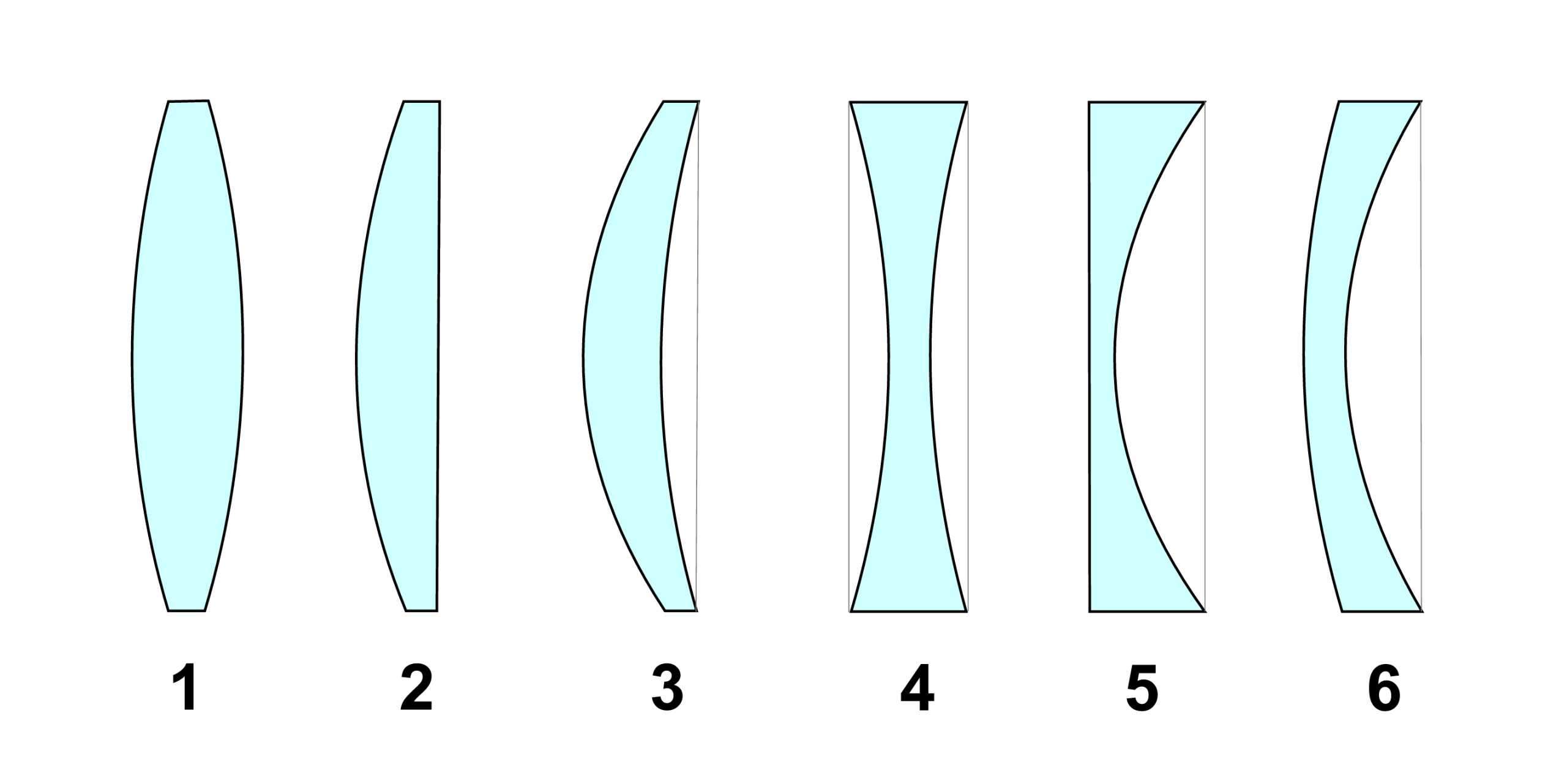
1. What is the difference between a concave and convex lens?
A convex lens is thicker in the middle and converges light rays, while a concave lens is thinner in the middle and diverges light rays. Both are used in optical devices such as cameras, magnifying glasses and spectacles.
2. What is the difference between reflection and refraction of light?
Reflection occurs when light bounces off a surface, such as a mirror. Refraction occurs when light changes direction as it passes from one medium to another, such as from air into water or through a lens.
3. What are the uses of concave and convex mirrors in everyday life?
Concave mirrors are used in shaving mirrors and dentist's mirrors because they can produce enlarged images when objects are nearby. Convex mirrors are used as rear-view mirrors in vehicles because they provide a wider field of view.